
Planet Choice vs World Centric: Which Compostable Containers Fit Your Kitchen?
Compare Planet Choice vs World Centric compostable containers for Bay Area kitchens: formats, case packs, BPI and PFAS, lids, and how to choose.
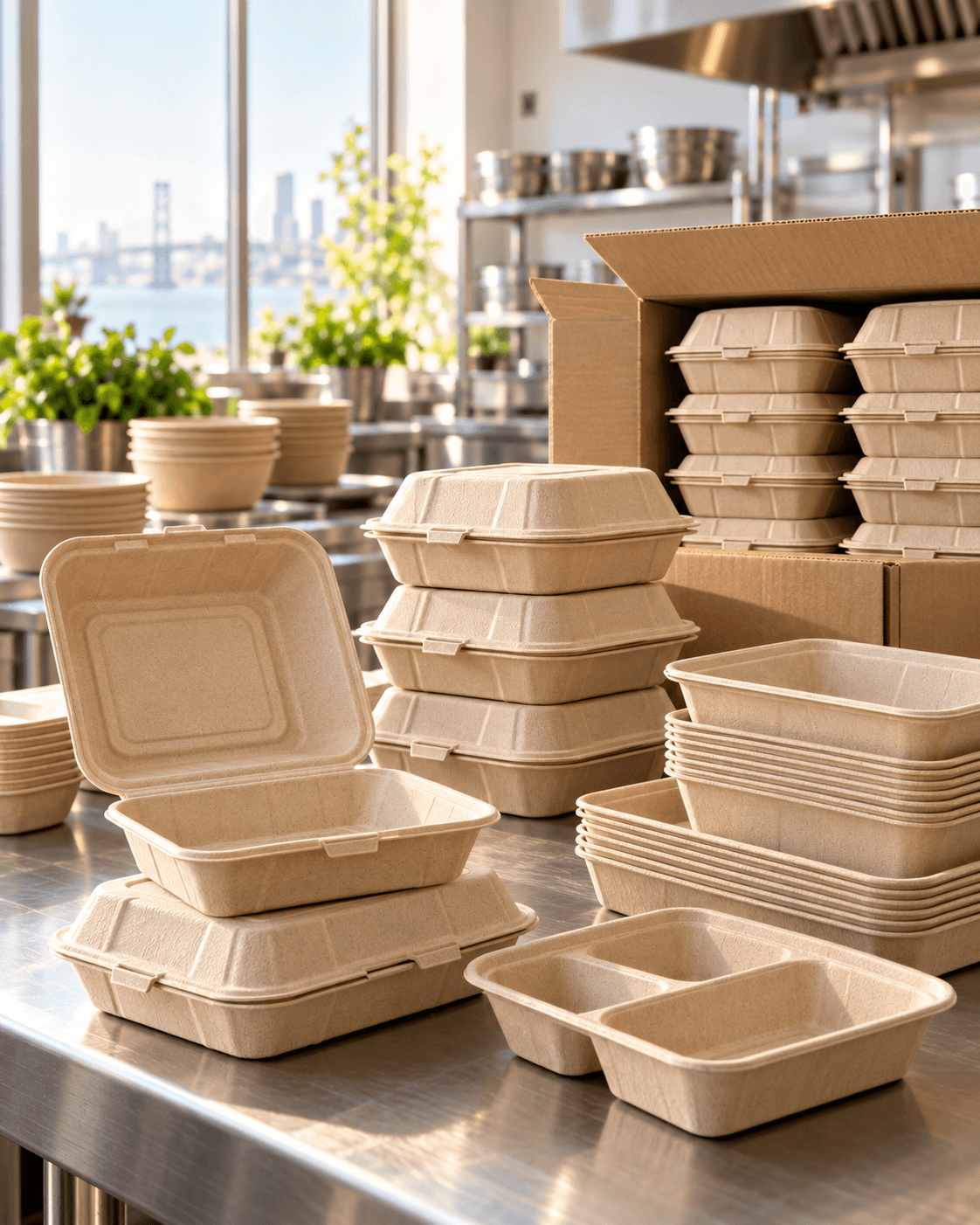
The lunch rush is twenty minutes out. Your expo lead holds a wet burrito bowl and a hinged combo box, asking which fiber brand stays on the PO. One case is sugarcane bagasse; the other is an unbleached plant-fiber SKU your campus buyer already listed. Foam is gone under California rules, and you still have to settle planet choice vs world centric before Friday's route.
Planet Choice vs World Centric is the Bay Area kitchen decision between Planet Choice bagasse containers and World Centric fiber containers when you need compostable takeout containers that hold hot food, seal with lids, and clear California PFAS paperwork.
Safra Distribution stocks both lines from its Fremont warehouse for Bay Area restaurants, cafes, and caterers on weekly delivery, so this planet choice vs world centric guide follows a real PO path.
Key facts that decide planet choice vs world centric (and keep planet choice vs world centric decisions on the PO):
- Planet Choice containers are molded sugarcane bagasse foodware (trays, bowls, hinged packs, rectangular meal boxes, plates, taco boxes) sold by the case: typically 200 hinged, 300 bowls or trays, and 500 to 1,000 plates.
- World Centric containers are unbleached plant-fiber takeout pieces with no added PFAS on the fiber foodware line; common SKUs: 8x8 and 9x9 fiber clamshells (often 300/case), COMPOST-A-PAK folding boxes (often 200/case), and burrito bowls about 18 to 32 oz.
- Planet choice vs world centric does not change AB 1200: both lines sell into California as plant-fiber foodware with no intentionally added PFAS and under 100 ppm total organic fluorine.
- Public September 2026 listings put 9x9 bagasse hinged containers around 21 to 27 cents each and 32 oz bagasse bowls around 15 to 44 cents each; live Safra planet choice vs world centric case prices sit behind Cut+Dry sign-in.
- One-case minimums, samples on the next Bay Area delivery, and BPI certificates on file are the normal path either way you resolve planet choice vs world centric.
- Foam foodware sales ended in California on January 1, 2025, so compostable takeout containers and planet choice vs world centric now dominate the entree box decision.
-
Planet Choice vs World Centric key case packs and market price ranges
What does planet choice vs world centric mean for a kitchen?
When a buyer types planet choice vs world centric, they are rarely asking which logo looks greener. They want compostable takeout containers that hold tonight's entree, fit shelf lids, and arrive next week in one-case packs.
Planet Choice is Safra's primary bagasse containers line. World Centric is a separate fiber brand Safra stocks when a footprint, folding box, or approved-vendor SKU fits better than the Planet Choice mold.
A fair planet choice vs world centric read starts with kitchen jobs, not logos. Both are commercial-compost fiber foodware, not backyard compost cups, and both ride the same Bay Area weekly route. The planet choice vs world centric difference is assortment depth, case geometry, lid strategy, and which SKU your hauler and inspector already recognize.
Further reading on planet choice vs world centric materials
- Wholesale bagasse packaging: trays, bowls, containers
- What is bagasse? The sugarcane packaging material explained
What are Planet Choice containers in a planet choice vs world centric menu?
Planet Choice containers cover the five formats that replaced foam on most Bay Area counters and usually win the first planet choice vs world centric pull when you need breadth.
- Bagasse trays. 8 and 9 inch food trays with one or three compartments, sushi tray and lid combos, and catering platters. Cases are commonly 300 for food trays.
- Bagasse bowls. Round, square, poke, burrito, and rice bowls from about 16 to 48 oz,. Many bowls ship 300/case.
- Hinged containers. Clamshells that map to old foam sizes: 6x6, 8x8, 9x6, and 9x9 inches, one to three compartments. Hinged packs are often 200/case for larger footprints
- Rectangular containers. 9x6 inch bases from about 16 to 54 oz with shallow, dome, or fiber lids. These win when planet choice vs world centric favors shared lids across depths.
- Plates. Round 6 to 10 inch and oval 10 and 12 inch plates, usually 500 or 1,000 per case,.
If you need that full ladder from sushi tray to 9x9 combo box, Planet Choice usually wins the first planet choice vs world centric pull.
What are World Centric containers in planet choice vs world centric?
World Centric containers overlap the same jobs with a different mold book, so planet choice vs world centric often ends as Planet Choice core plus World Centric fills.
- Fiber clamshells. Public listings include 6x6 fiber burger boxes (often 500/case), 8x8 and 9x9 fiber clamshells (often 300/case), including PLA-lined versions for wetter foods.
- Fiber boxes. Rectangular fiber boxes such as 8.7x6.7x2.1 inch (30 oz) and 8.7x6.7x3.1 inch (44 oz), lids sold separately, cases often 400.
- COMPOST-A-PAK containers. Folding fiber boxes such as 24 oz and 48 oz, often 200/case, useful when planet choice vs world centric favors a one-piece fold.
- Bowls. Burrito and fiber bowls from about 18 to 32 oz, cases around 300 to 400,.
World Centric also sells NoTree paper boats and clear bioplastic deli lines: related compostable takeout containers, not drop-in planet choice vs world centric bagasse swaps.
Safra uses World Centric (and Fineline and DEP fiber) to fill gaps when a Planet Choice size, lid, or certification match is not the right fit. Keep planet choice vs world centric healthy: one core line, then fills.
Planet Choice vs World Centric hinged and fiber takeout containers compared
Further reading for planet choice vs world centric formats
How do lids, heat, and grease change planet choice vs world centric?
Both brands sell molded plant-fiber compostable takeout containers. In planet choice vs world centric kitchen tests, differences are small but real.
Material. Planet Choice containers are mold-pressed sugarcane bagasse. World Centric fiber is marketed as unbleached plant fiber with no added PFAS; some SKUs are bagasse-style, and some paper lines are NoTree.
Look, heat, and grease. Planet Choice bagasse is typically natural off-white; World Centric fiber often reads warmer unbleached. Both handle hot entrees when wall weight is right. For very wet or saucy food, look for PLA-laminated fiber or a fiber base with a clear PET lid your hauler still accepts. Microwave claims vary by SKU; test your dish before you print microwave safe on either planet choice vs world centric SKU.
Lids and case packs decide storage and food cost more often than the logo in planet choice vs world centric:
- Hinged Planet Choice packs and World Centric clamshells avoid a separate lid SKU. Rectangular fiber boxes and many bowls need a matching lid; buy pairs and test the snap before a pallet.
- A fiber lid keeps the package in the green bin. A clear PET or anti-fog lid sells food better but may be rejected by some haulers even when the base is accepted.
- Planet Choice hinged packs are often 200 for 8x8 and 9x9; World Centric 9x9 clamshells often list at 300/case; bowls commonly 300; COMPOST-A-PAK often 200.
- Planet Choice rectangular containers share shallow and dome lids across depths; World Centric fiber boxes often sell lids by size. Mixing without a lid map is the most common planet choice vs world centric mistake.
Neither brand turns a commercial-compost claim into backyard compost. Confirm your hauler accepts certified fiber before you advertise compostable takeout containers, no matter how you resolve planet choice vs world centric.
Do planet choice vs world centric brands both meet BPI and PFAS rules?
For planet choice vs world centric in California, paperwork matters as much as the mold.
BPI / ASTM. Compostable fiber foodware is typically tested to ASTM D6868 and listed by BPI. Ask for the certificate per SKU and verify before the first pallet. Check every planet choice vs world centric SKU, not just the first case.
AB 1200 PFAS. Since January 1, 2023, California bans plant-fiber food packaging with intentionally added PFAS or PFAS at or above 100 ppm total organic fluorine. Both brands sold for California foodservice need a current PFAS / TOF report. Planet choice vs world centric does not create an exemption.
Labeling and haulers. SB 343 and AB 1201 restrict compostable and recyclable claims. Certified bagasse can support a compostable claim when rules are met; do not call fiber recyclable. SB 1383 requires organics separation, but each jurisdiction decides which foodware its facility takes. SF Approved and StopWaste accept certified fiber in many programs; still confirm locally before you print the planet choice vs world centric winner.
Safra keeps BPI certificates and PFAS reports on file for stocked SKUs.
Further reading for planet choice vs world centric compliance
- Compostable vs biodegradable vs recyclable California labels
- California plastic labeling laws SB 343 and AB 1201
What does planet choice vs world centric cost by the case?
Safra does not publish a public price list. Live planet choice vs world centric case pricing sits in the Compostable Collection on Cut+Dry after you sign in. If catalog prices are not visible yet, use public ranges as orientation, then ask for a quote at your volume.
Public wholesale listings in September 2026 put common bagasse / fiber formats roughly here:
- 9x9 three-compartment bagasse hinged: about $43 to $54 per case of 200 (about 21 to 27 cents each).
- 32 oz round bagasse bowl: about $46 to $132 per case of 300 (about 15 to 44 cents each); certification and brand explain most of the spread.
- 24 oz square bagasse bowl: about $75 per case of 300 (about 25 cents each), lid extra.
- 9 inch round bagasse plate: about $38 to $55 per case of 500 (about 8 to 11 cents each).
- World Centric direct-store listings for fiber boxes and COMPOST-A-PAK packs move with size and pack count; treat manufacturer web prices as market context, not Safra delivered pricing.
Three things move compostable takeout container pricing more than the logo: BPI testing, wall weight, and freight. Fiber is bulky, so a case of 200 clamshells takes real truck space. Planet choice vs world centric rarely beats those three drivers. A local program at 10 or more cases a month usually lands below raw list. Sign in to Cut+Dry for live prices, or send your fiber list for a line-by-line planet choice vs world centric quote.
When should you pick planet choice vs world centric?
Run planet choice vs world centric in this order:
- Map the three formats you burn every week. Usually one hinged compostable takeout container, one bowl with a lid, and one plate or tray. Write the footprint (6x6, 8x8, 9x9, oz) before you pick a brand.
- Default to Planet Choice for breadth. Choose Planet Choice when planet choice vs world centric is about one bagasse family covering trays, bowls, hinged boxes, rectangular meal boxes, plates, and taco boxes; when your menu maps to foam footprints Planet Choice already matches; or when you want one-case pulls from core Fremont stock on the weekly route.
- Switch to World Centric for a listed SKU. Choose World Centric when planet choice vs world centric is about a COMPOST-A-PAK folding box or an 8.7x6.7 fiber box depth your menu already uses; when a buyer, campus, or inspector lists World Centric on an approved vendor sheet; when you want an unbleached look or PLA-lined clamshell stocked as World Centric; or when you fill a single gap while the rest stays Planet Choice.
- Test heat, grease, and lids before the pallet. Pull one Planet Choice hinged pack, one Planet Choice bowl with lid, and one World Centric fiber piece. Fill each with your wettest, hottest dish. Hold for the real delivery window. Check hinge memory, corner leaks, lid fog, and bottom softening.
- Confirm BPI, PFAS, and hauler acceptance. Get the certificate and TOF report per SKU. Ask your city list whether that fiber format is accepted before you scale the planet choice vs world centric winner.
- Order two weeks at one-case minimums, then weekly. Settle into weekly delivery so dry storage stays under control. Label shelves by footprint, not only by brand, if both lines stay after a planet choice vs world centric mix.
Mixing brands is fine when lids do not cross-fit. It is a problem when staff grab the wrong lid after a planet choice vs world centric mix.
How to sample Planet Choice vs World Centric compostable containers
Further reading after a planet choice vs world centric pick
How do Bay Area kitchens buy planet choice vs world centric wholesale?
Bay Area operators usually need cases next week, not a national catalog lead time. A typical planet choice vs world centric buying path:
- List formats and weekly burn (hinged, bowl, tray or plate) plus any campus or hauler constraints.
- Become a customer so you can see live case pricing and place orders.
- Ask for samples on the next Bay Area delivery so the planet choice vs world centric test happens in your kitchen.
- Start with one-case minimums on winning SKUs, then lock a weekly route.
5.6. Reorder from the Compostable Collection on Cut+Dry once the planet choice vs world centric mix is stable.
Service is built around Fremont warehouse inventory and weekly Bay Area routes. That consistency (same SKUs, case packs, and paperwork) is what free planet choice vs world centric charts cannot deliver alone.
FAQ: planet choice vs world centric
Are Planet Choice and World Centric the same material in planet choice vs world centric?
Not exactly. Planet Choice is mold-pressed sugarcane bagasse. World Centric fiber foodware is marketed as unbleached plant fiber, with separate NoTree paper and bioplastic lines that are not drop-in bagasse swaps in planet choice vs world centric.
Can I mix brands in a planet choice vs world centric shelf set?
Yes, if lids and bases stay paired by footprint. Mixing without a lid map is the most common planet choice vs world centric stocking mistake.
Are planet choice vs world centric containers backyard compostable?
No. Both lines are commercial-compost fiber foodware. Confirm your hauler accepts the certified format before you advertise compostable takeout containers.
What is the planet choice vs world centric minimum order?
Many Safra SKUs are one-case friendly. Ask for a planet choice vs world centric quote at your volume if you need a mixed pallet or custom print later.
Where do I see live planet choice vs world centric case prices?
Sign in to the Compostable Collection on Cut+Dry after you become a customer. Public ranges above are orientation only.
Does Safra deliver planet choice vs world centric in the Bay Area?
Yes. Weekly routes leave the Fremont warehouse for Bay Area foodservice accounts, including the SKUs in this planet choice vs world centric guide.
Final thoughts
Planet Choice vs World Centric is a stocking decision, not a purity contest. The comparison above is free on purpose: formats, case packs, lids, heat and grease cues, BPI and PFAS caveats, and a six-step pick order you can run this week.
What free planet choice vs world centric lists cannot do is keep the winning SKUs on your shelf every Monday. Samples on the next delivery, one-case starts, weekly Bay Area routes, and certificates on file turn the decision into reliable supply.
Browse the Compostable Collection on Cut+Dry or become a customer to get live case pricing once your kitchen test settles planet choice vs world centric for your menu.


Related posts
 Food Containers
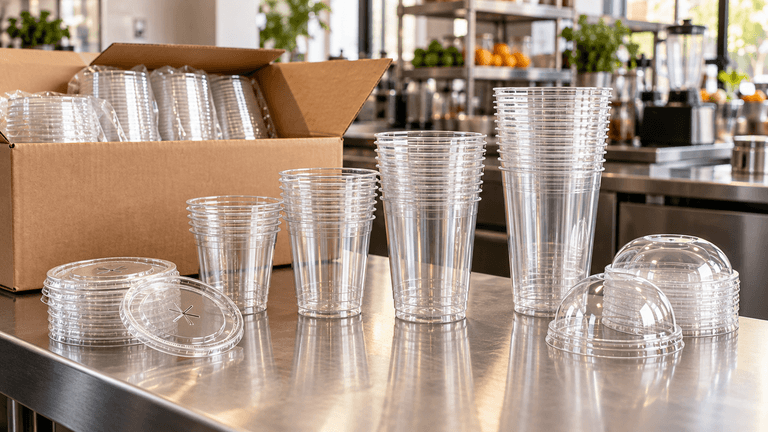
Compostable Cold Cups and Lids in Bulk
Compostable cold cups and lids in bulk for Bay Area shops: sizes, BPI and PFAS notes, case packs, and Safra wholesale delivery.
Safra13 min read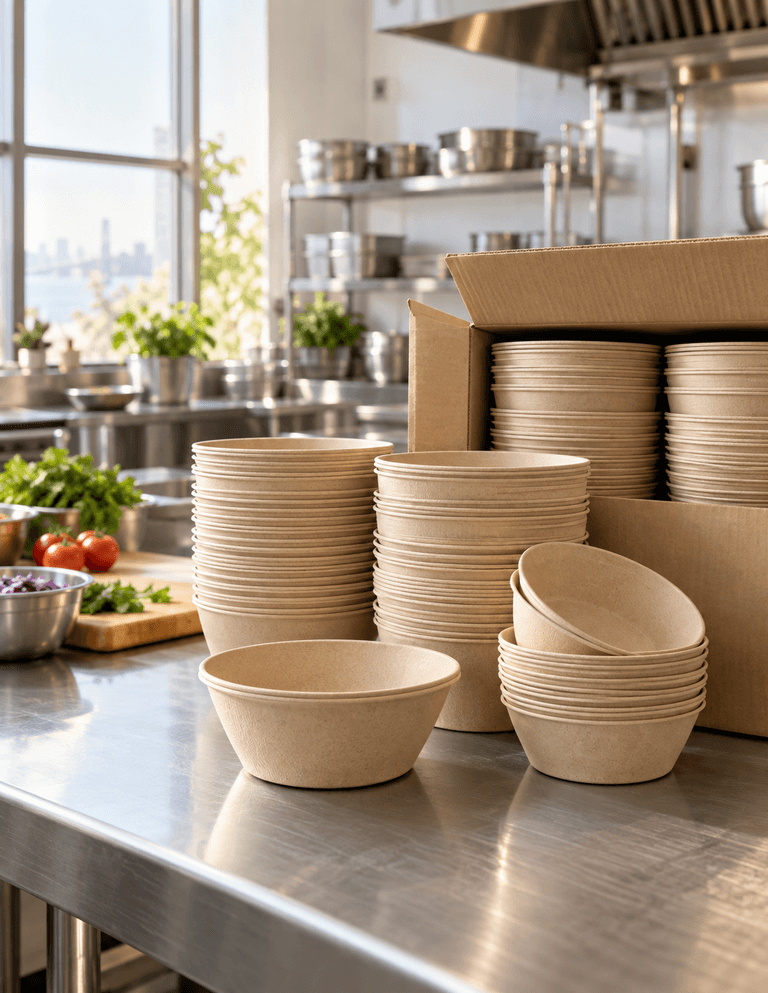 Food Containers
Fiber Bowls
Fiber bowls by the case: ounce sizes, BPI compostability, California PFAS rules, and how Bay Area kitchens buy wholesale.
Safra11 min read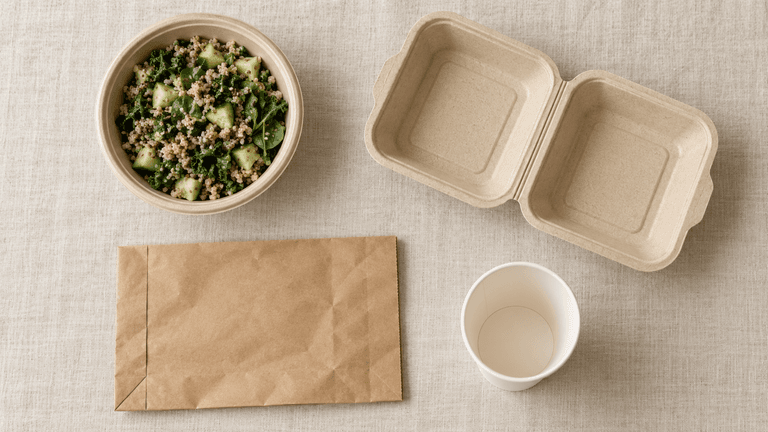 Food Containers
Wholesale Bagasse Packaging: Trays, Bowls and Containers
Every bagasse format that ships by the case, what it costs wholesale in September 2026, the three ways to buy it, and how to size a first order.
Safra14 min read